
Types of Siding: A Complete Comparison
Selecting the right siding material for your home is a decision that will affect your property for decades. Each material has distinct advantages and trade-offs when it comes to appearance, durability, maintenance, energy efficiency, and cost. Understanding these differences is the first step toward making a confident investment in your home.
At Superior Industries, we install all major siding types and can help you evaluate which material best suits your home, budget, and long-term goals. Below is an honest comparison of the four most popular residential siding materials in the Denver Metro area.
Vinyl Siding
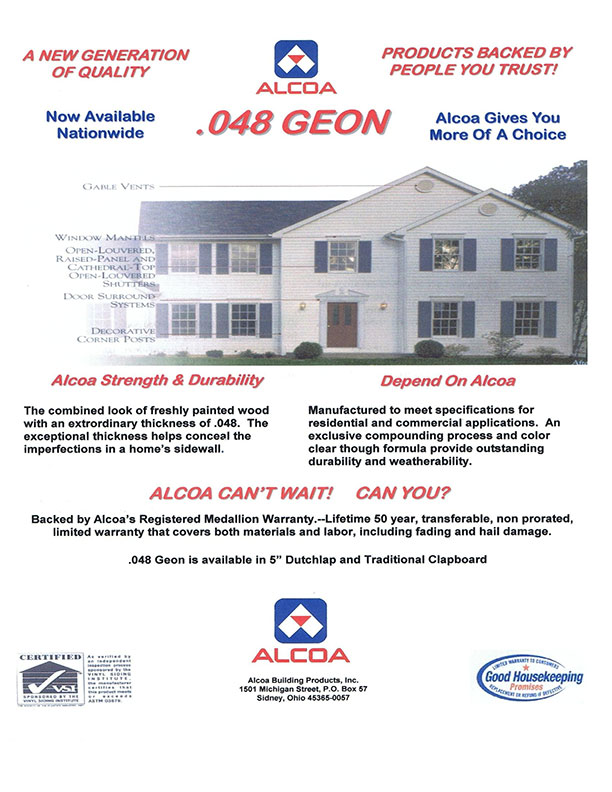
Vinyl siding is the most widely installed siding material in America and remains a strong choice for Denver Metro homeowners seeking a balance of value, durability, and design options.
Pros
- Affordable — Typically the most cost-effective siding material per square foot, both in product and installation costs
- Low maintenance — Never needs painting or staining; clean with a garden hose
- Wide style selection — Available in horizontal lap, dutch lap, board & batten, shingle/shake, vertical panels, and more
- Color variety — Dozens of colors available, with color integrated throughout the material so scratches are less visible
- Rot and pest proof — PVC construction is impervious to moisture, insects, and fungal growth
- Insulated options — Foam-backed vinyl siding adds R-value and reduces outside noise
Cons
- Can crack in extreme cold if struck by a hard object
- Lower-grade vinyl may fade or warp over time in intense sun
- Cannot be painted — color changes require full replacement
- Melts if exposed to direct heat sources such as grill reflections
Natural Wood Siding
Wood siding has been used on American homes for centuries and continues to be prized for its natural beauty, warmth, and traditional character. Cedar, redwood, and pine are the most common species used for residential exteriors.
Pros
- Authentic beauty — Nothing matches the rich grain patterns and warm tones of real wood
- Customizable — Can be painted or stained any color and refinished when you want a change
- Natural insulator — Wood provides good thermal resistance compared to other solid siding materials
- Eco-friendly — Renewable, biodegradable, and carbon-sequestering material
- Repairable — Individual boards can be replaced without disturbing adjacent siding
Cons
- Requires regular maintenance — painting or staining every 3 to 5 years
- Susceptible to rot, mold, and insect damage if not properly maintained
- Higher upfront and lifetime cost when maintenance is factored in
- Expands and contracts with moisture changes, which can lead to warping and cupping
- Fire risk is higher than non-combustible alternatives
Composite / Engineered Wood Siding
Composite siding, also known as engineered wood siding, is manufactured from wood fibers, resins, and binders compressed under high pressure. Products like Gentek Align and Alside Ascend represent the best of this category.
Pros
- Realistic wood appearance — Deep-embossed grain textures are nearly indistinguishable from natural wood
- Superior moisture resistance — Engineered core resists water absorption far better than natural wood
- Minimal maintenance — No painting or staining required; occasional cleaning is all that is needed
- Dimensional stability — Will not warp, cup, or split like natural wood
- Pest resistant — Unappealing to termites, carpenter ants, and woodpeckers
- Strong impact resistance — Dense construction withstands hail and debris better than vinyl or wood
Cons
- Higher initial cost than vinyl siding
- Heavier than vinyl — may require additional structural consideration on some homes
- Limited color changes — factory-applied finish is not easily repainted in a new color
- Newer product category — longest track records are around 20 to 25 years
Fiber Cement Siding
Fiber cement siding is made from a mixture of Portland cement, sand, and cellulose fibers. It is one of the most durable siding materials available and has become increasingly popular in Colorado for its ability to withstand harsh conditions.
Pros
- Extremely durable — Resistant to rot, insects, fire, and UV damage
- Non-combustible — Ideal for fire-prone areas and meets the strictest building codes
- Paintable — Can be factory-primed and painted any color, and repainted as desired
- Stable dimensions — Minimal expansion and contraction compared to wood
- Long lifespan — 50+ year product life with proper installation and maintenance
- Good resale value — Perceived as a premium product by buyers and appraisers
Cons
- Heavy material — requires more labor and potentially structural reinforcement
- Higher installation cost due to weight and specialized cutting requirements
- Requires repainting every 10 to 15 years to maintain appearance
- Can absorb moisture if cut edges are not properly sealed during installation
- Cutting generates silica dust — requires professional safety equipment
Quick Comparison Table
| Feature | Vinyl | Wood | Composite | Fiber Cement |
|---|---|---|---|---|
| Cost | $ | $$ | $$$ | $$$ |
| Maintenance | Very Low | High | Very Low | Low |
| Durability | Good | Moderate | Excellent | Excellent |
| Lifespan | 30-40 yrs | 20-40 yrs | 25-50 yrs | 50+ yrs |
| Fire Resistance | Melts | Combustible | Low Flame Spread | Non-Combustible |
| Moisture Resistance | Excellent | Poor | Excellent | Good |
| Style Options | Extensive | Custom | Good | Good |
Which Siding Is Right for Your Denver Home?
The best siding material depends on your specific situation: your budget, your home's architectural style, your maintenance preferences, and the conditions your home faces. There is no single "best" siding — only the best siding for your particular needs.
At Superior Industries, we install all four of these materials and can give you honest, unbiased advice on which one makes the most sense for your project. We have been helping Denver Metro homeowners make this decision since 1980 and we will never push a product that is not right for your home.
Call us at (303) 898-4303 or contact us online for a free consultation. We will bring samples to your home and walk you through each option in person.
Ready to Get Started?
Contact us for a free, no-obligation consultation and estimate.